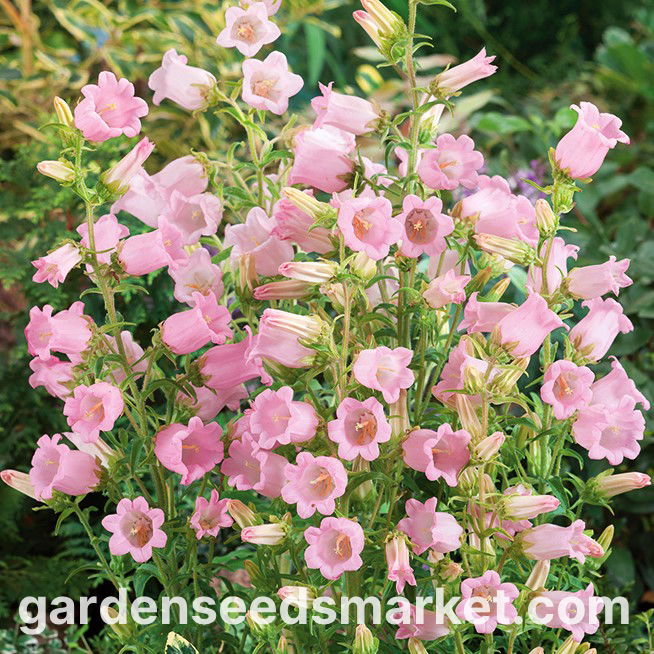
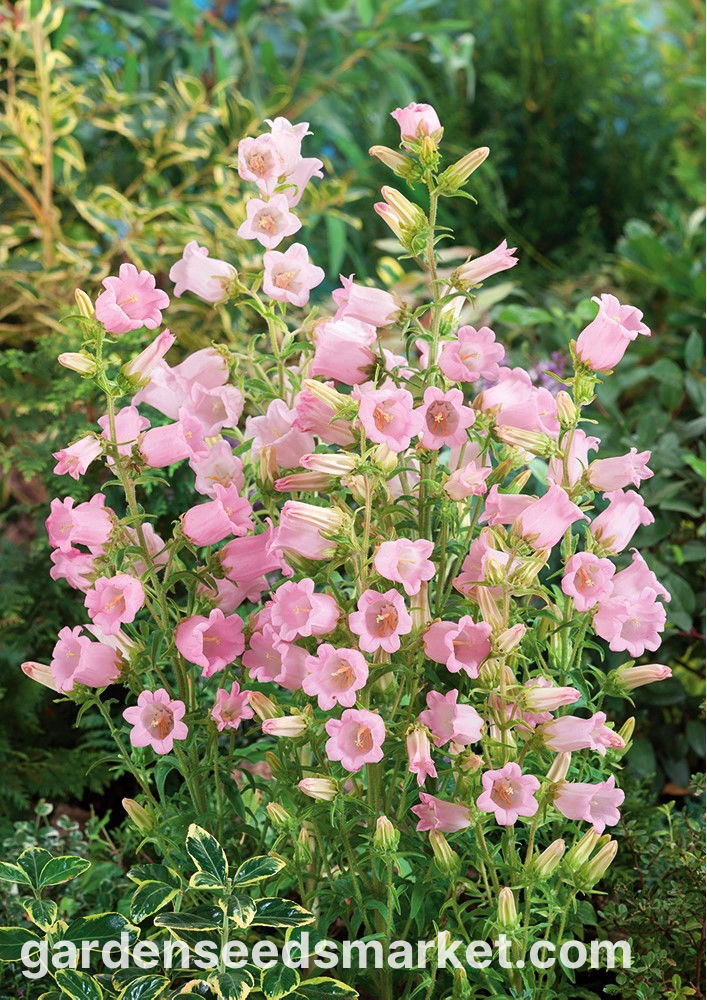


The Canterbury Bells, known for their exceptional charm, are an ideal choice for those seeking elegant and striking plants for their garden. Campanula medium is a biennial plant reaching a height of 80-90 cm, with upright stems topped with impressive racemes. Its bell-shaped flowers catch the eye with a delicate pink hue, making them perfect for flower beds and ideal as cut flowers. Thanks to meticulous laboratory testing of the seeds, Canterbury Bells are distinguished by their high quality, ensuring reliable cultivation.
Sowing
Canterbury Bells are best sown on carefully prepared soil, providing optimal conditions for growth. It's important to ensure even distribution of seeds to facilitate subsequent plant care.
Sowing Depth
The seeds of Canterbury Bells should be placed at a depth of 0.3 cm. Such shallow sowing supports their quick germination and healthy development of young plants.
Direct Sowing Period
When to sow Canterbury Bells seeds directly into the ground? The ideal time is from May to June when the soil is adequately warmed.
Sowing Period Under Cover
When to sow Canterbury Bells seeds under cover? Sowing under cover can also begin in May and June, allowing for earlier growing and protection of young plants from adverse weather conditions.
Planting Time
The best time to plant Canterbury Bells is from July to August, when they are well-prepared for further growth in their permanent location.
Plant Spacing
The optimal spacing for Canterbury Bells is 30x40 cm. This distance between plants ensures they have enough space to reach their full potential and allows for free air circulation.
Site Conditions
Canterbury Bells prefer sunny or semi-shaded sites with well-drained soil rich in nutrients. Regular watering and moderate fertilisation will ensure healthy growth and lush flowering. It's advisable to avoid waterlogging, which can lead to root rot.
Growing Tips
The key to growing Canterbury Bells is regularly removing faded inflorescences, which extends the flowering period. The plant tolerates pruning well, which encourages branching. In winter, it's worth protecting the bells from frost, especially in areas with harsh winters.
Plant Height
Canterbury Bells reach a height of 80-90 cm, making them a perfect backdrop for lower plants in the garden.
Flowering Period
The flowering period for Canterbury Bells is from June to September, when the plant showcases its loveliest flowers, filling the garden with colour and grace.
Usage
Canterbury Bells are ideal for creating diverse compositions in flower beds. Their beautiful pink flowers blend perfectly with other ornamental plants, such as lavender or sage. They also excel as cut flowers, adding elegance to bouquets and floral arrangements.
Resistance to Diseases
Canterbury Bells have good resistance to diseases, making them easy to cultivate. Regular monitoring and proper care help maintain healthy plants throughout the season.
Good to Know
Canterbury Bells are plants that bring not only beauty but also a touch of nostalgia to the garden. Their bell-shaped flowers symbolise delicacy and elegance. Cultivating this plant is easy, and its presence in the garden will undoubtedly attract attention and delight any flower enthusiast.
Why Buy from Garden Seeds Market?
Garden Seeds Market is a shop where product quality is always a top priority. Our Canterbury Bells seeds come from the best sources, guaranteeing high quality and reliability in cultivation. Customers appreciate our fast delivery and professional service. The positive feedback from satisfied customers testifies to our reliability and attention to every detail. We also ensure secure online shopping and attractive promotions that allow for even greater savings.
The package contains 0.5 g of seeds. The packaging includes information on cultivation guidelines and the expiration date for sowing.