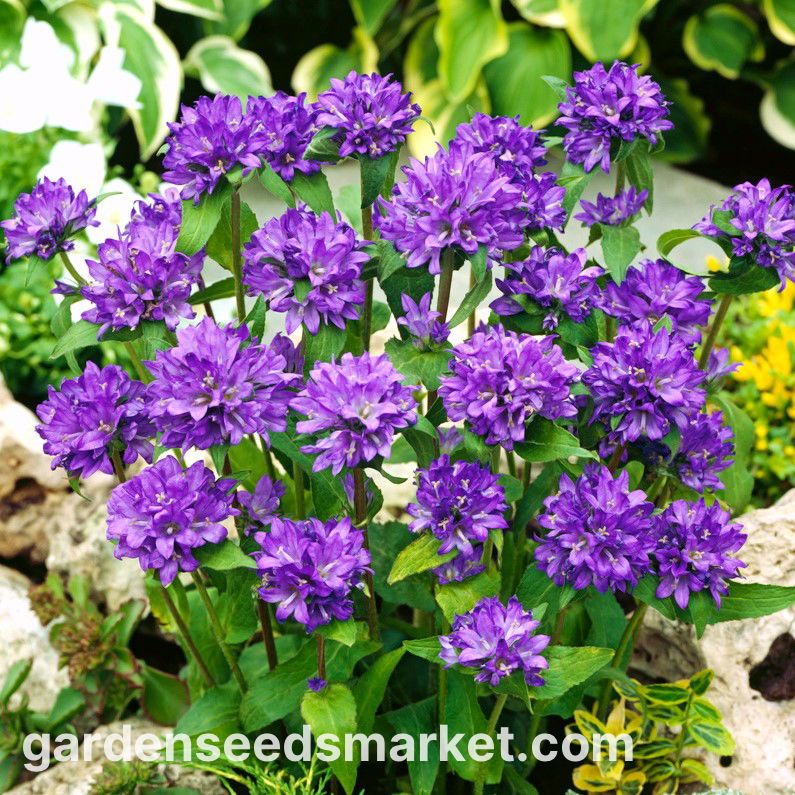
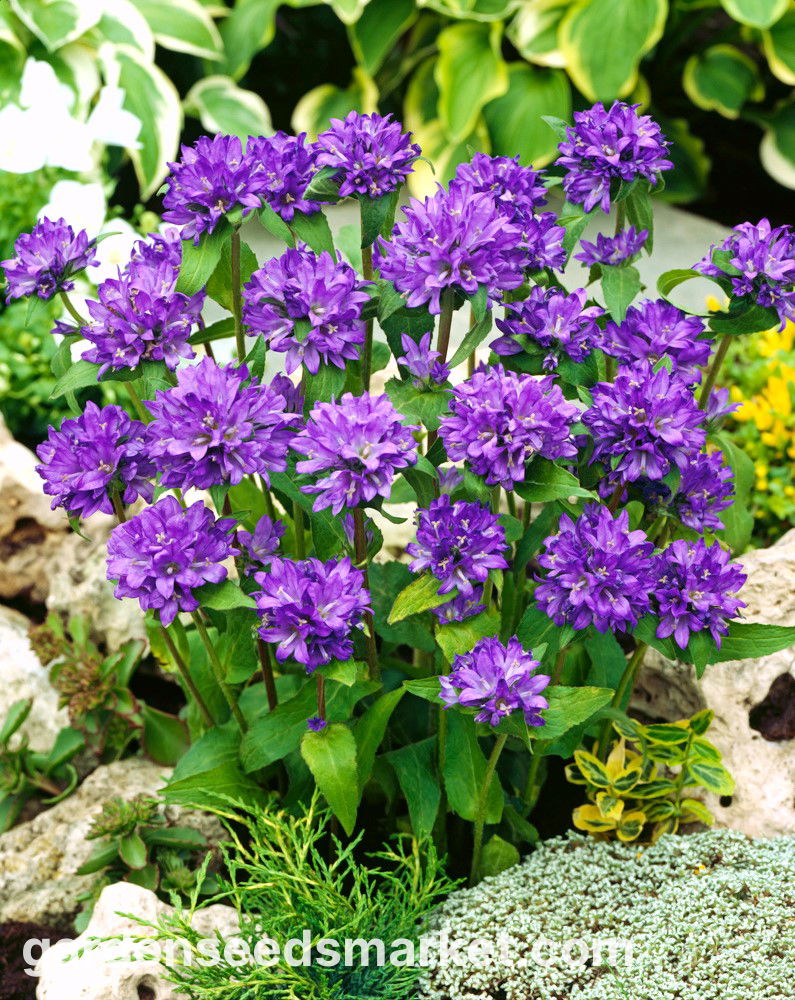
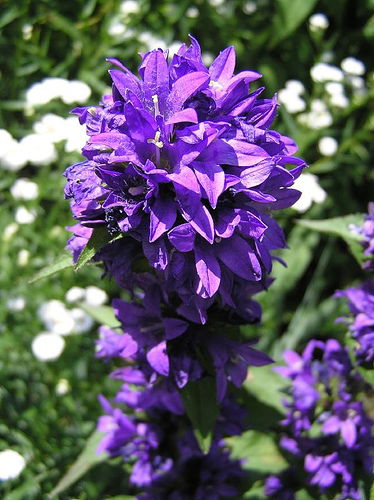
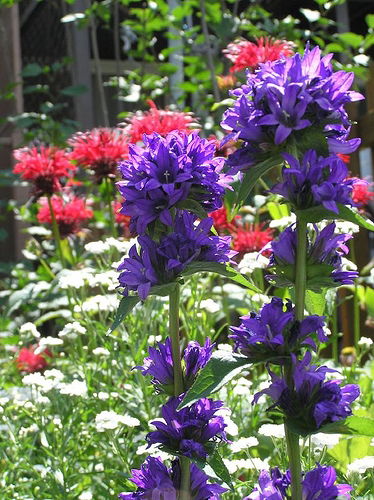


The Clustered Bellflower, also known as Campanula glomerata, is a striking perennial plant that is sure to capture the attention of any gardening enthusiast. With its deep violet, clustered inflorescences, it makes an excellent addition to sunny borders, rock gardens, and containers. Reaching a height of 20-30 cm, it forms upright, slightly branched stems that add elegance to any garden corner. Choosing Clustered Bellflower seeds is ideal for those who appreciate beauty and durability in the garden.
Sowing
The Clustered Bellflower is best sown in well-lit or slightly shaded locations. The seeds require careful soil preparation, which should be well-drained to ensure optimal growing conditions.
Sowing Depth
Clustered Bellflower seeds should be placed at a depth of 0.3-0.5 cm. This sowing depth provides adequate protection from drying out and encourages even germination.
Direct Sowing Period
When should you sow Clustered Bellflower seeds directly into the ground? The best period for sowing is May and June, when the soil temperature is sufficiently high for germination to begin.
Sowing Period Under Cover
When should you sow Clustered Bellflower seeds under cover? It is recommended to start sowing in May and June, allowing you to achieve strong seedlings ready for transplanting in August and September.
Planting Time
The optimal time for planting Clustered Bellflowers is from August to September. During this period, the plants have the opportunity to root well and prepare for winter.
Plant Spacing
To allow the Clustered Bellflower to fully develop its decorative qualities, it is recommended to maintain a spacing of 30x30 cm. This way, the plants will have adequate space for growth and flowering.
Companion Planting
The Clustered Bellflower pairs beautifully with other plants that have similar soil and light requirements, such as lavender or stonecrop. This combination creates a harmonious and cohesive composition in the garden.
Site Conditions
The Clustered Bellflower prefers sunny or slightly shaded spots. The soil should be well-drained, moderately moist, with a neutral to slightly alkaline pH. Regular watering, especially during dry spells, will provide the plant with the necessary moisture and promote healthy growth.
Growing Tips
The Clustered Bellflower is easy to grow. It requires regular watering, particularly during drought periods. It's also advisable to remove spent flower heads to extend the flowering period. In spring, fertilising with compost or a multi-component fertiliser will support plant development.
Plant Height
The Clustered Bellflower reaches a height of 20 to 30 cm, making it an ideal choice for low borders and rock gardens.
Flowering Period
The Clustered Bellflower blooms from June to August, offering a wealth of deep violet flowers that serve as a true ornament to any garden.
Usage
The Clustered Bellflower is perfect for planting in borders, rock gardens, and containers. Its unique flowers attract attention and add charm to any setting. It can also be used as ground cover, creating colourful carpets in rockeries.
Resistance to Diseases
The Clustered Bellflower is characterised by good resistance to diseases and pests, making it a problem-free plant to cultivate. Regular plant inspections will help in promptly addressing any potential threats.
Good to Know
The Clustered Bellflower is a plant that withstands low temperatures well, making it an excellent choice for gardens in cooler regions. Thanks to its versatility, it can be used in both naturalistic and formal gardens.
Why Buy from Garden Seeds Market
Purchasing Clustered Bellflower seeds from Garden Seeds Market guarantees the highest quality and satisfaction. The seeds are sourced from reputable origins, as confirmed by numerous laboratory tests. The store offers fast delivery and professional customer service, ensuring a quick and safe shopping experience. Positive customer reviews attest to the reliability and high quality of the offered products.
The seed packet contains 0.1 g of seeds. The packet includes information on cultivation guidelines and the seed's expiration date for sowing.