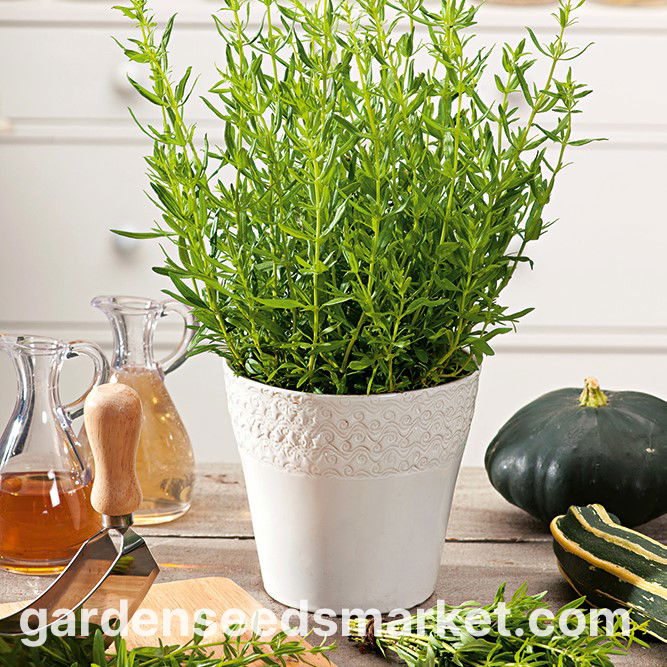
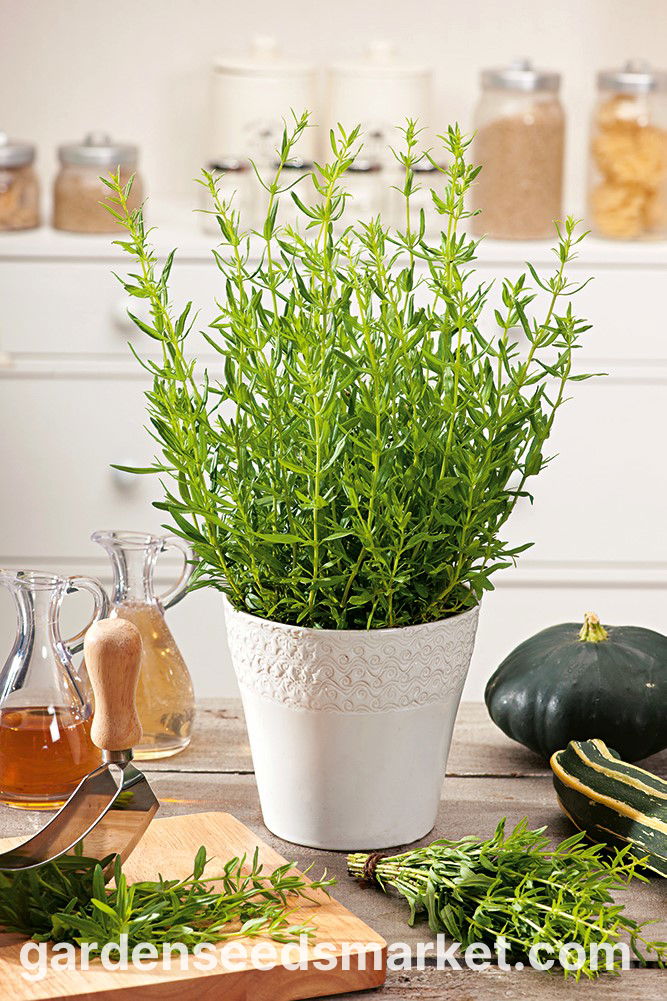
Hyssop (Hyssopus officinalis) is a perennial from the mint family. It comes from Central Asia and the Mediterranean. Now it also grows in the wild in central and northern Europe. It is rather rarely cultivated in gardens. You can use it for medicinal and spice purposes, but it is also a melliferous plant that bees love to feed on.
Hyssop is a branched semi-shrub that grows 30 to 60 cm tall. It develops dense, erect, woody shoots at the base and lush foliage of lanceolate leaves. There are speckled glands that contain essential oils at both sides of the leaf blade. The smell of hyssop is strong, somewhat reminiscent of camphor. Bilabial flowers gathered in pseudo-umbels grow on the top shoots of the plant. Their protruding, usually dark purple stamens are very rich in nectar. The whole plant is covered with delicate hairs.
Hyssop is a species that awaits a sunny, warm place. It prefers light, dry, quickly warming, permeable, and calciferous soils. It does not tolerate heavy, acidic and moist soils. It cannot stand shade either. Hyssop plants are quite resistant to low temperatures but can be damaged by frost in colder regions. To avoid this, we recommend providing them with a cover of twigs or mulch. Growing hyssop is very easy, the plant does not require special care, fertilization, or irrigation. If you care about the decorative qualities of hyssop, remove its faded flowers to maintain an attractive plant habit.
Hyssop blooms in the middle of summer, from mid-July to the end of August. This distinctly fragrant plant attracts many insects that feed on nectar and pollen. That is why we recommend hyssop to all who support small, useful pollinating creatures. The honey yield of hyssop is about 200-400 kg per 1 ha of use.
Hyssop seeds can be sown directly into the ground in April or cultivated from seedlings sown in March onto a hotbed. Hyssop germinates about 15 days after sowing. The early development of plants is slow. At the target site, arrange seedlings in rows every 30 centimetres, keeping plants 40 centimetres apart.
Not only bees can take advantage of hyssop. It is a great choice for perennial beds and planting single. Its attractive habit and eye-pleasing flower colour belong to main advantages of this plant. Hyssop, rich in essential oils, constitutes a valuable herbal raw material both for the cosmetics industry and seasoning of meat and vegetable dishes.
One package contains 1 kg of seeds of the melliferous hyssop. Basic plant information and growing instructions were printed on the package.
- Height: 30 to 60 cm
- Use: herb; melliferous
- Blooming time: July to August
- Growth form: semi-shrub
- Flower colour: purple
- Vegetation form: perennial
- Foliage: lanceolate, green
- Flower type: bilabial,
- Site: sunny; light, dry, quickly warming, permeable, calciferous soil
- Weight: 1 kg